
This Spatchcock Turkey features crispy, golden skin, juicy meat, and flavorful Cajun herb butter, making it the perfect centerpiece for Thanksgiving!
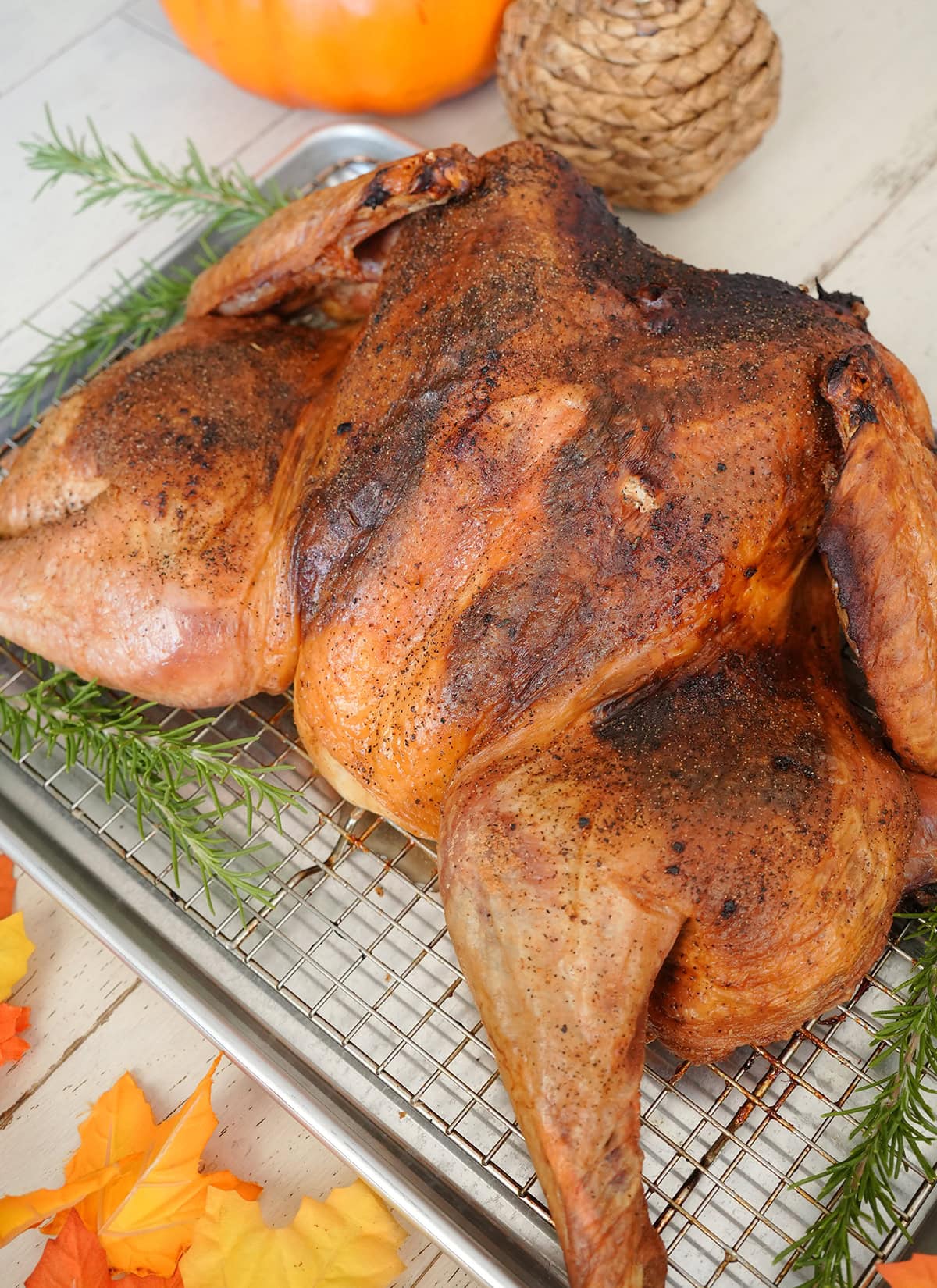
This Spatchcock Turkey Recipe is one of my favorite ways to prepare our Thanksgiving centerpiece. The flattened turkey roasts more evenly and cooks faster than a traditional whole turkey, making holiday meal prep a little easier.
I love using the 24-hour dry brine to enhance the flavor and help the skin turn beautifully crispy. Flattening the turkey also helps it cook more evenly, making it easier to prepare and carve. Add my cajun compound butter with garlic, rosemary, and sage, and you have got a delicious turkey that's perfect for a beautiful holiday meal.
If you like this recipe, be sure to try my Smoked Turkey Breast or my Spiral Ham in the Crockpot recipes for other favorites.
Reader Review: "This Spatchcock Turkey was so easy and my guests absolutely loved it! I'll definitely be making it again." - Jerry
Why You'll Love this Recipe
- Crispy, golden skin: The dry brine helps draw moisture from the skin, giving your turkey a beautiful, crispy finish.
- Cooks faster: Flattening the turkey exposes more surface area to the heat, helping it cook more quickly than a traditional whole bird.
- Juicy, flavor meat: Cajun compound butter with garlic, rosemary, and sage adds rich flavor beneath the skin.
- Easy to carve: The flattened shape makes it easier to access the different parts of the turkey when it is time to serve.
What is a Spatchcock Turkey
A Spatchcock Turkey is a whole turkey with the backbone removed and the bird flattened before cooking. This technique allows the turkey to roast in a more even layer, helping the breast and thighs cook more evenly.
Spatchcocking also exposes more of the skin to the hot oven, which helps create that irresistible crispy, golden-brown finish. While it might sound intimidating, all you need is a good pair of kitchen shears and a little preparation.
Ingredients
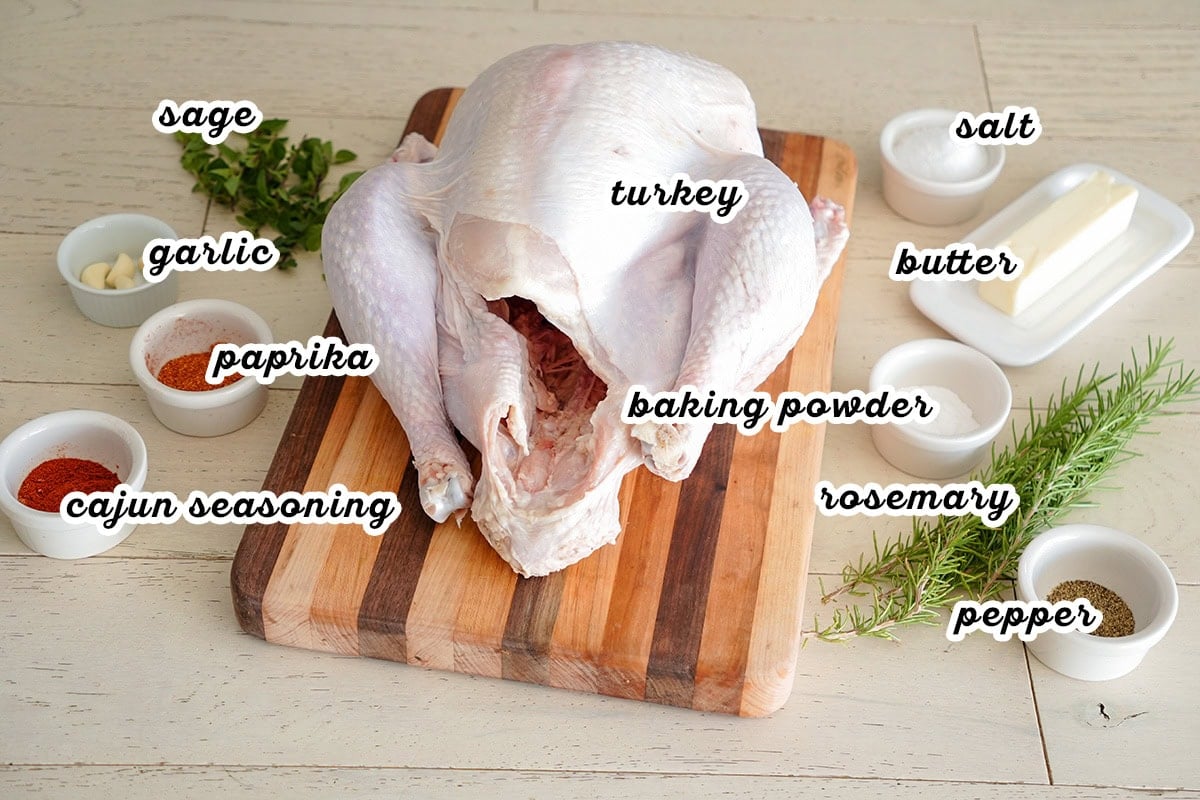
- Turkey: Make sure your turkey is fully thawed before you begin.
- Salt: Essential seasoning and it helps the dry brine work.
- Baking Powder: Helps create crispier turkey skin and encourages browning.
- Paprika: Adds a beautiful color to the skin.
- Black Pepper: For final seasoning before baking.
Compound Butter
- Butter: Use softened, unsalted butter.
- Cajun Seasoning: Adds a savory, slightly spicy flavor to the turkey.
- Garlic: Fresh minced garlic is best.
- Rosemary: Brings a woodsy flavor that pairs beautifully with turkey.
- Sage: Adds the classic holiday flavor!
Tim's Tip: Don't skip the 24-hour dry brine! Leaving the turkey uncovered in the refrigerator allows the skin to dry out!
How to Make A Spatchcock Turkey
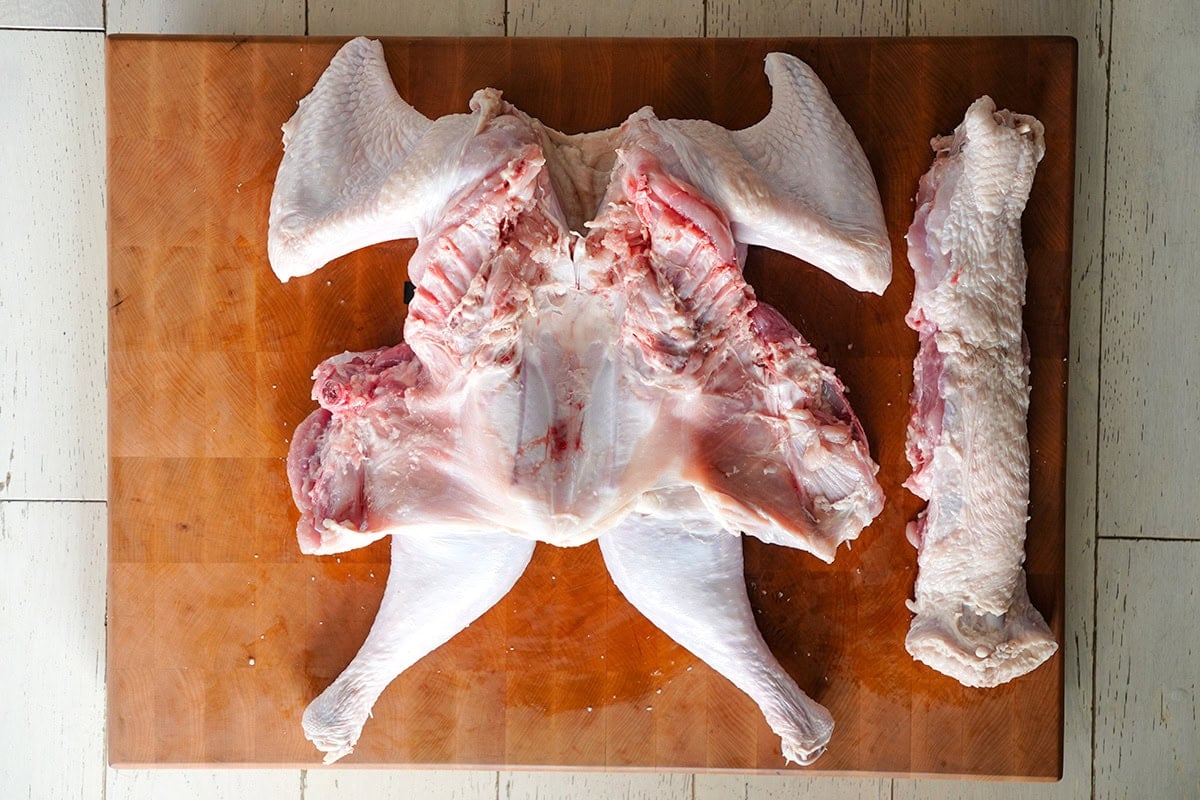
1. Spatchcock the Turkey: Using good, sharp shears cut along both sides of the backbone to remove it. Flip the turkey over and press firmly on the breastbone until the bird lies flat.
2. Loosen the Skin: Carefully slide your fingers underneath the skin over the breast and thighs to loosen it from the meat. This creates space to tuck the compound butter underneath the skin later.
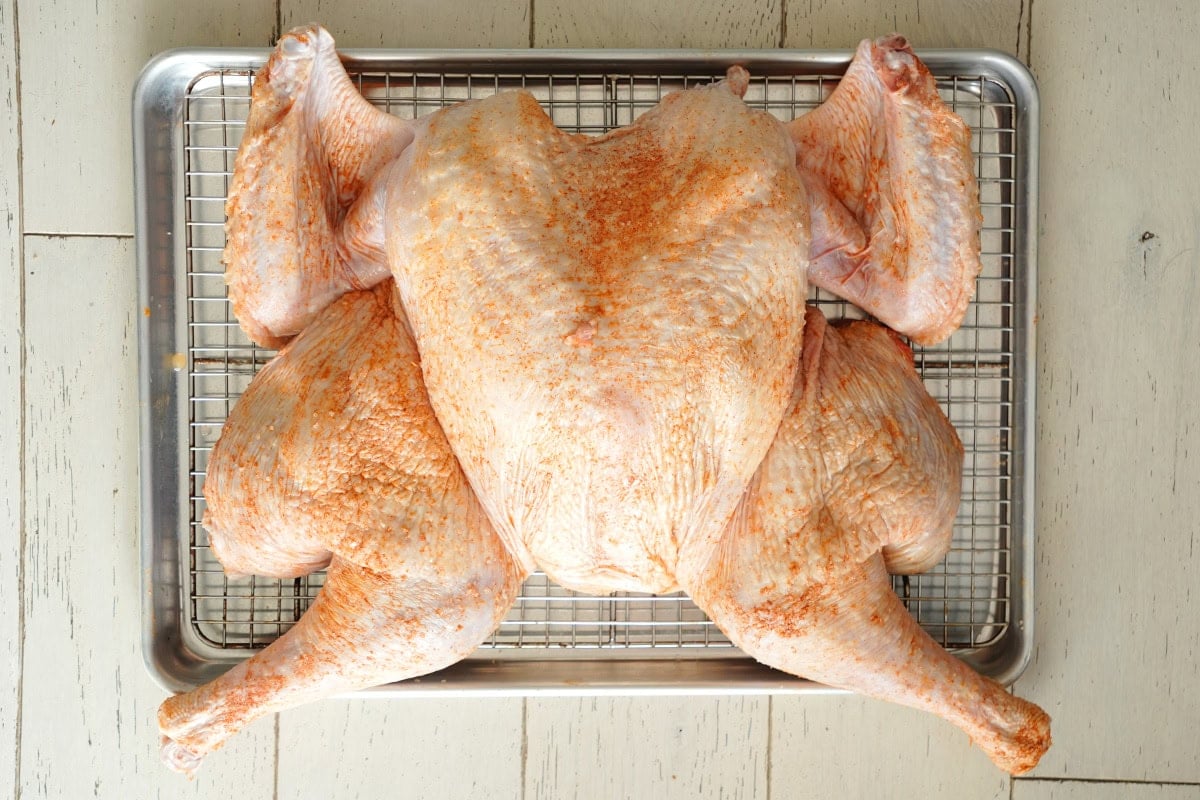
3. Dry Brine the Turkey: Mix the salt, baking powder, and paprika in a small bowl. Pat the turkey dry with paper towels, then sprinkle the seasoning mixture evenly over the skin.
Place the turkey on a wire rack set inside a rimmed baking sheet. Refrigerate uncovered for 24 hours to allow the skin to dry and the seasoning to penetrate the meat.
4. Preheat the oven: When ready to cook it, preheat your oven to 425°F.
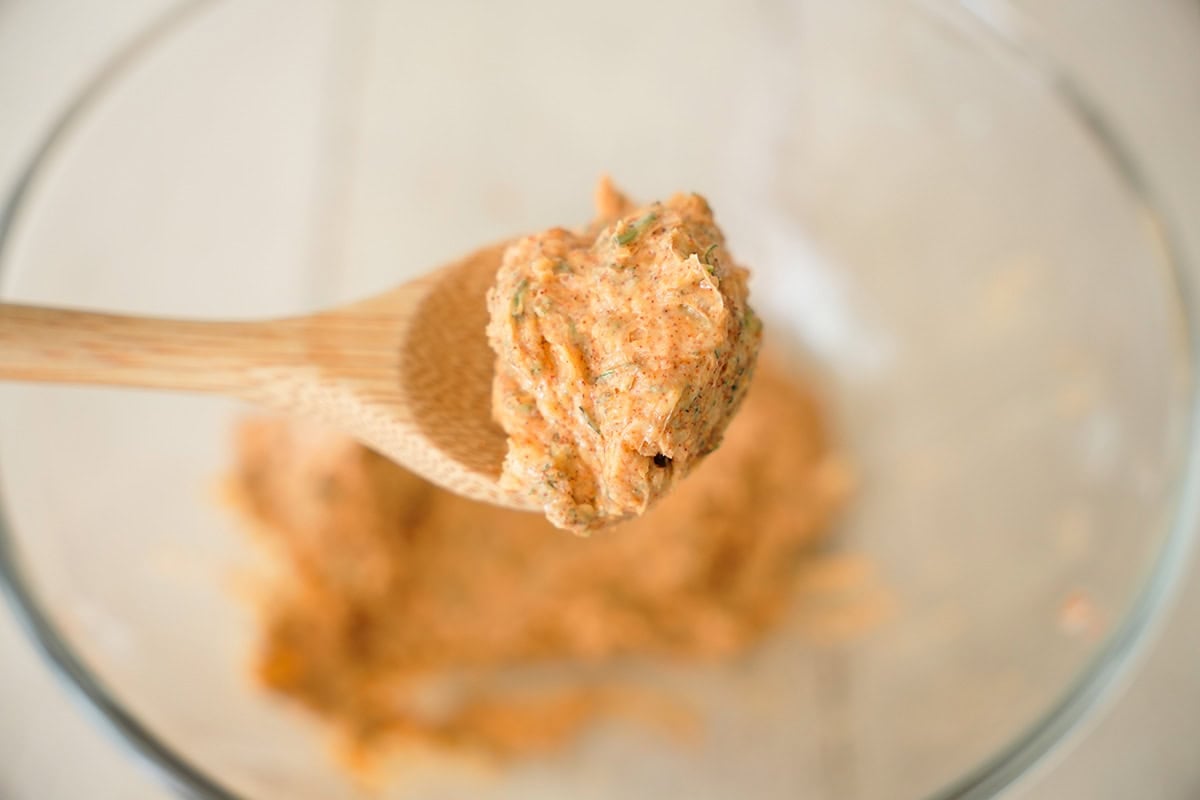
5. Make Compound Butter: In a small bowl, combine the softened butter, Cajun seasoning, minced garlic, rosemary, and sage. Mix until evenly incorporated.
Carefully spread the compound butter under the loosened skin being careful not to get it on the outside (this could interfere with crisping).
Season the turkey with black pepper, if desired.
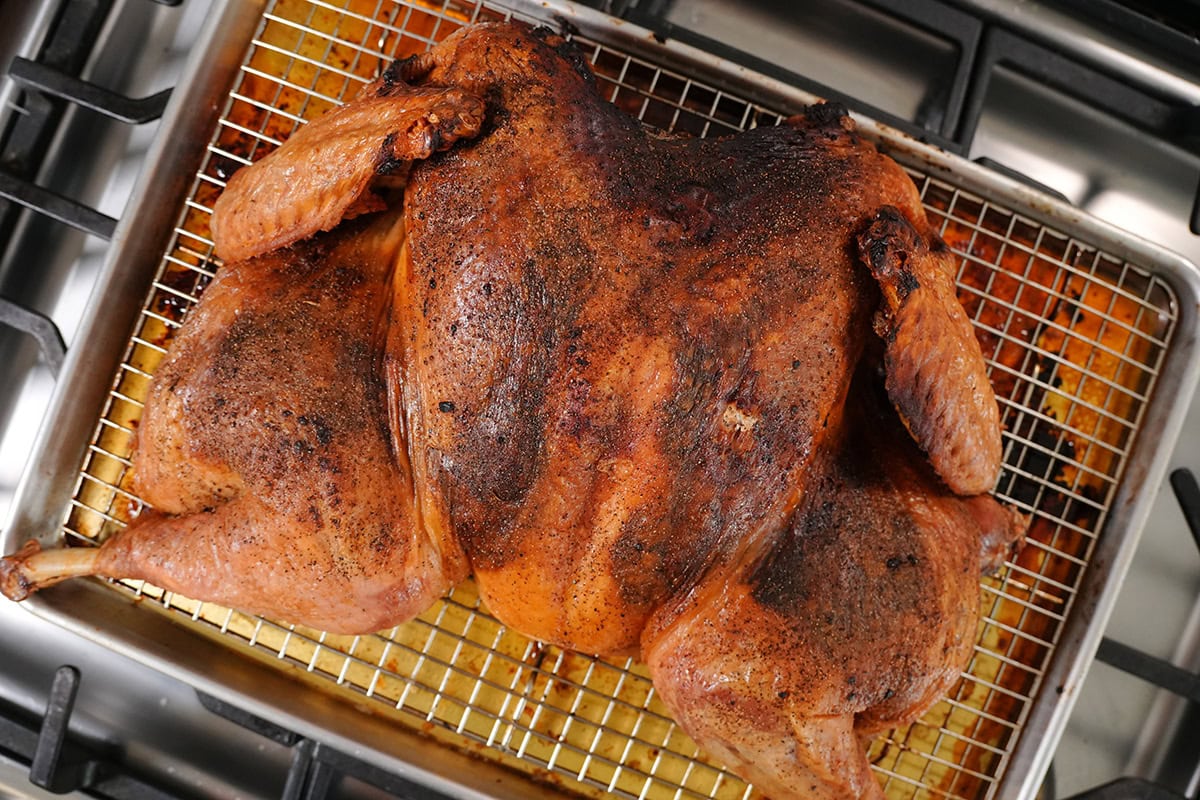
6. Roast the Turkey: Place the turkey on a roasting rack, skin-side up. Roast until the thickest parts of the breast reach an safe internal temperature of 165°F.
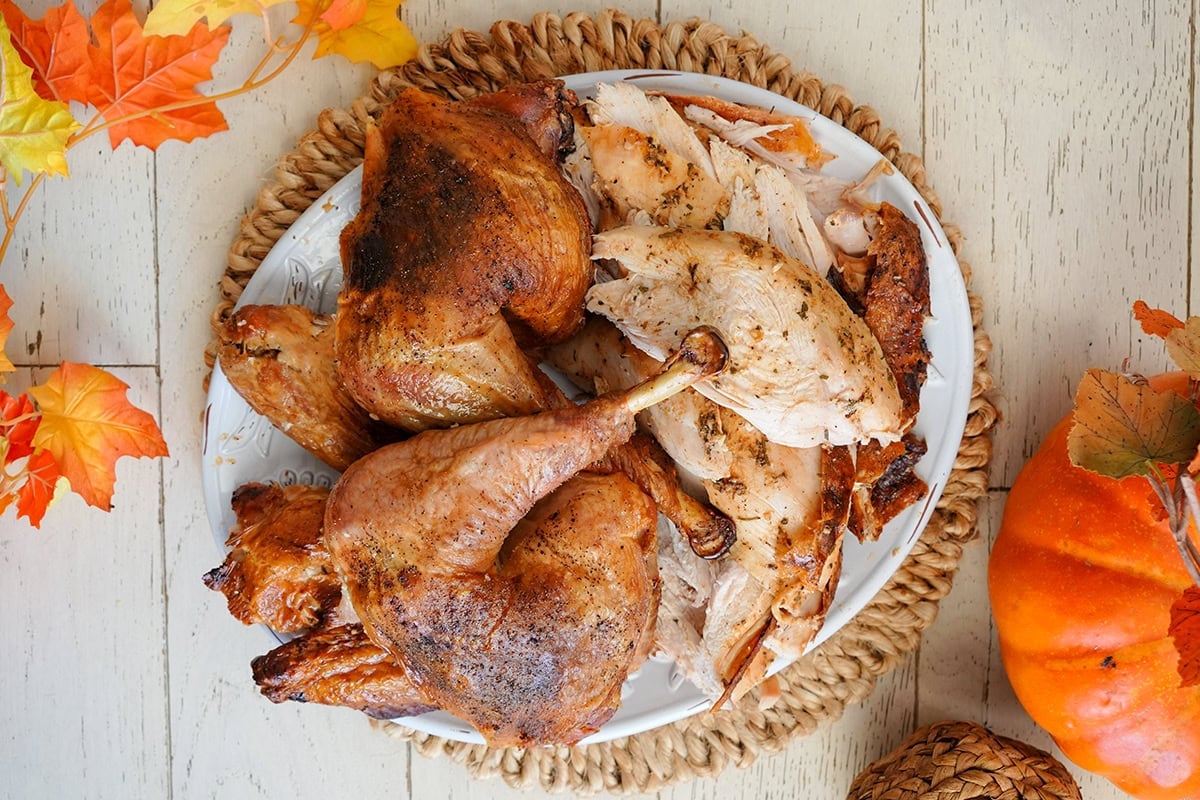
7. Rest and Carve: Remove the turkey from the oven and let it rest for about 20 minutes before carving. Resting allows the juices to redistribute and makes carving easier.
Made this recipe? Let me know!
Expert Tips
- Keep the Butter Under the Skin: Be careful not to get the compound butter on the outside of the turkey skin. Excess butter can interfere with crisping.
- Watch the Browning: Roasting at 425°F helps create beautiful, golden-brown skin. If your turkey starts browning too quickly, feel free to loosely cover it with aluminum foil.
- Let the Turkey Rest: Allow the turkey to rest for about 20 minutes before carving. This gives the juices time to redistribute and helps keep the meat moist.
- Use a Meat Thermometer: For food safety, cook the turkey until it reaches 165°F at the thickest part of the breast and check the innermost part of the thigh and wing as well. Avoid touching the bone when taking the temperature.
- Save the Backbone: Don't throw away the backbone! Save it for making homemade turkey stock or add it to a pot with other turkey bones and vegetable scraps to make a flavorful broth.
Substitutions and Variations
- Change the seasoning: If Cajun seasoning isn't your favorite, substitute poultry seasoning, a garlic-herb blend or your favorite BBQ rub.
- Add citrus: Mix a little lemon zest into the compound butter for a bright flavor.
- Adjust the Heat: If you prefer a milder turkey, use a mild Cajun seasoning or reduce the amount. For extra heat, add a pinch of cayenne pepper to the compound butter.
- Make it Herb-Forward: Replace the Cajun seasoning with additional fresh rosemary, sage, and thyme for a more traditional Thanksgiving flavor.
Storage
- Refrigerate: Allow leftover turkey to cool, then store the meat in an airtight container in the refrigerator for up to 3-4 days.
- Freeze: Place cooled turkey meat in the freezer-safe bags or containers, removing as much air as possible, and freeze for up to 3 months for the best quality.
- Reheat: Place sliced turkey in an oven-safe dish with a splash of broth, cover with foil, and warm in a 325°F oven until it reaches 165°F. Adding broth and covering the dish helps keep the meat moist.
FAQs
A spatchcock turkey is a whole turkey with its backbone removed and the bird flattened before cooking. This allows for an even roast and faster cooking time.
No. Do not rinse the turkey, simply proceed with the recipe.
Yes! This method works well with smaller turkeys, too. Keep in mind that a smaller bird will cook more quickly, so begin checking the internal temperature earlier to avoid overcooking.
It depends on the size of your turkey. This 14 lb turkey took about 1.5 hrs. Getting a meat thermometer that's oven safe is helpful here! Set it to alert at 165°F and remove turkey immediately to contain juices.
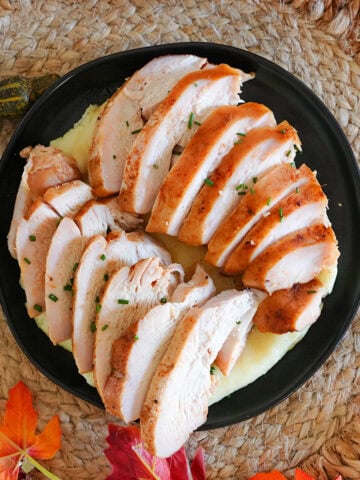
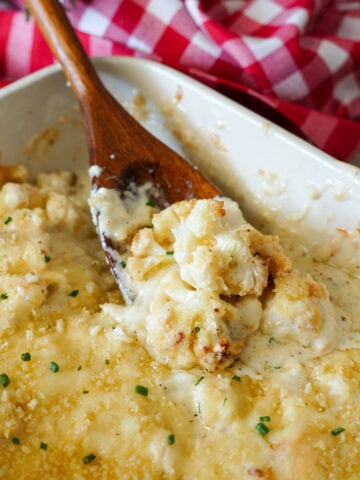
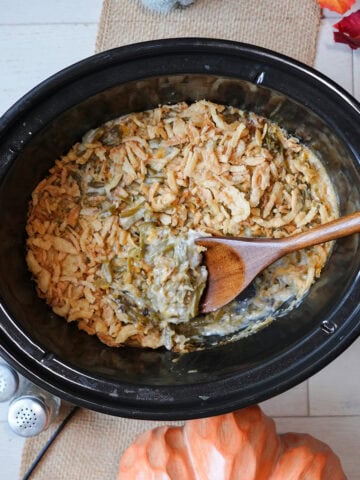
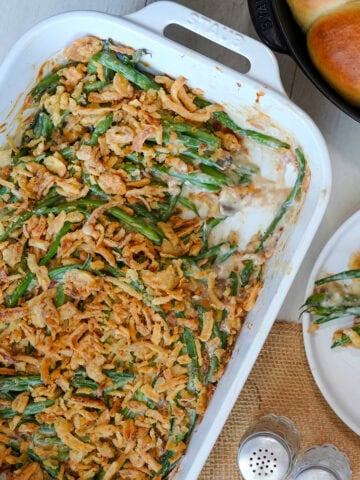
What to Serve with Spatchcock Turkey
Turkey is the star of the Thanksgiving table, but the right sides make the meal complete.
Made this recipe? Let me know!
Recipe
Spatchcock Turkey

Equipment
- Oven
- Wire Rack
Ingredients
- 14 lb Turkey
- 4 tablespoon Salt
- 1 tablespoon Baking Powder
- 1 tablespoon Paprika
- 1 teaspoon Black Pepper
Compound Butter
- 1 Stick Butter
- 2 tablespoon Cajun Seasoning
- 1½ tablespoon Garlic
- 1 tablespoon Fresh Rosemary
- 1½ tablespoon Fresh Sage
Instructions
- Spatchcock the Turkey: Using good, sharp shears cut along both sides of the backbone to remove it. Flip the turkey over and press firmly on the breastbone until the bird lies flat. 14 lb Turkey
- Loosen the Skin: Carefully slide your fingers underneath the skin over the breast and thighs to loosen it from the meat. This creates space to tuck the compound butter underneath the skin later.
- Dry Brine the Turkey: Mix the salt, baking powder, and paprika in a small bowl. Pat the turkey dry with paper towels, then sprinkle the seasoning mixture evenly over the skin. Place the turkey on a wire rack set inside a rimmed baking sheet. Refrigerate uncovered for 24 hours to allow the skin to dry and the seasoning to penetrate the meat. 4 tbsp Salt 1 tbsp Baking Powder 1 tbsp Paprika
- Preheat the oven: Preheat your oven to 425°F.
- Make Compound Butter: In a small bowl, combine the softened butter, Cajun seasoning, minced garlic, rosemary, and sage. Mix until evenly incorporated. Carefully spread the compound butter under the loosened skin being careful not to get it on the outside (this could interfere with crisping). Season the turkey with black pepper, if desired. 1 Stick Butter 2 tbsp Cajun Seasoning 1½ tbsp Garlic 1 tbsp Fresh Rosemary 1½ tbsp Fresh Sage 1 tsp Black Pepper
- Roast the Turkey: Place the turkey on a roasting rack, skin-side up. Roast until the thickest parts of the breast reach an safe internal temperature of 165°F.
- Rest and Carve: Remove the turkey from the oven and let it rest for about 20 minutes before car
Notes
- Keep the Butter Under the Skin: Be careful not to get the compound butter on the outside of the turkey skin. Excess butter can interfere with crisping.
- Watch the Browning: Roasting at 425°F helps create beautiful, golden-brown skin. If your turkey starts browning too quickly, feel free to loosely cover it with aluminum foil.
- Let the Turkey Rest: Allow the turkey to rest for about 20 minutes before carving. This gives the juices time to redistribute and helps keep the meat moist.
- Use a Meat Thermometer: For food safety, cook the turkey until it reaches 165°F at the thickest part of the breast and check the innermost part of the thigh and wing as well. Avoid touching the bone when taking the temperature.
- Save the Backbone: Don't throw away the backbone! Save it for making homemade turkey stock or add it to a pot with other turkey bones and vegetable scraps to make a flavorful broth.
Storage
- Refrigerate: Allow leftover turkey to cool, then store the meat in an airtight container in the refrigerator for up to 3-4 days.
- Freeze: Place cooled turkey meat in the freezer-safe bags or containers, removing as much air as possible, and freeze for up to 3 months for the best quality.
- Reheat: Place sliced turkey in an oven-safe dish with a splash of broth, cover with foil, and warm in a 325°F oven until it reaches 165°F. Adding broth and covering the dish helps keep the meat moist.
Comments
No Comments