
This Fresh Basil Pesto is made the classic Italian way. It's simple, fragrant, and bursting with authentic flavor. With just a few ingredients, it captures the essence of traditional Italian cooking and brings the Mediterranean taste right to your family table.

Always having a garden full of fresh basil, pesto is used often in our kitchen! It's also been experimented on quite a bit. We've added lemon zest and lemon juice, pistachios, artichoke hearts and even red pepper flakes for a kick. But THIS recipe is always the one we come back to. We use it as a sauce for gnocchi, in Chicken Pesto Pasta, and with our Homemade Pasta from Scratch. For snacks or an appetizer, we serve it on Crostini or sourdough bread.
Jump to:
Ingredients

To make your Fresh Basil Pesto (Pesto Genovese), here's what you'll need:
- Basil - The main ingredient! Want a sweeter Pesto? Use smaller basil leaves. Small leaves = Sweeter taste.
- Pine Nuts - This is what makes it authentic. For a true Pesto alla Genovese, use pine nuts and don't substitute for walnuts or anything else. Pine nuts have a high fat content and become creamy when pureed, making your pesto taste smooth and nutty.
- Garlic Cloves - Fresh is always best :). Stay away from using strong garlics like Porcelain Garlic (the purple ones). You want a garlic taste, but don't want it to take over the Pesto.
- Salt and Pepper - Add salt to taste. I start with the measured amount in the recipe card and then add as needed at the end depending on how salty the Parmesan Cheese is.
- Parmesan Cheese - This adds another nutty layer of flavor. Subbing this for another cheese will change the traditional flavor, so stick to the recipe for this one!
- Extra Virgin Olive Oil - There are different flavors of Oils. Some are peppery, some buttery and some "earthy". Use a mild Olive Oil. I suggest using Blazing Bella's Cold Pressed Olive Oil for it's mildly (but pure) oil taste.
See recipe card for quantities.
Why Pine Nuts?
Pine nuts have a soft and buttery texture. They blend well and bring a smooth feel to the pesto. Beyond taste and feel, they also release a sweet, nutty smell that complements the dish.
Pesto Without Pine Nuts
Because pine nuts can be costly, people will swap them out for almonds, walnuts, or pistachios.
Keep in mind that walnuts taste more earthy and bitter than the other nuts. Almonds will keep the sweetness and smoothness, and pistachios tend to stick to their firmness more, making it harder to achieve a smooth texture.
Summary: If you have to sub out the pine nuts, I suggest using almonds first.
Before You Start
I'll tell you everything you need to know to make the best basil pesto, but here are a few things to keep in mind to make it the most enjoyable for you.
THE AMOUNT. This recipe calls for a lot of basil (4 cups tightly packed). Using a blender is suggested. If you have a small food processor, cut this recipe in half so all the basil fits.
THE CONSISTENCY. Making the pesto is EASY. The hard part is figuring out how you like it. This recipe is for a thinner pesto, meaning it's not chunky and thick. If you'd like a thicker pesto, cut the olive oil measurement in half. If you'd like it thinner, slowly mix in more olive oil until you're pleased with it.
THE NUTTINESS. Step 1 is optional. By toasting the pine nuts, you'll get a more nutty taste out of them. To make this recipe even easier, skip step 1 if the nutty taste isn't necessary for your taste buds.
Step-By-Step Instructions

- Optional: Toast pine nuts over low heat for 3-4 minutes in a skillet. Stir them around every minute so they don't burn. You're looking for a golden brown color. Set them aside to cool.
- Wash your basil and pat it dry with paper towels. Pluck basil leaves away from the stems. If you have enough to be picky with, use the smaller leaves for a sweeter taste and toss any leaves that have spots/browning.
Pro Tip: It's important to remove as much water from the basil as possible. A watery mixture will make it harder for the olive oil to emulsify properly.

- Once pine nuts are cool, pulse them in a food processor or blender until coarse.
- Add in garlic cloves and 1 teaspoon of salt and pulse until it's the consistency of coarse sea salt.

- Add in basil leaves and remaining salt and pulse. Be sure not to overstuff the food processor. Once basil is chopped, add in pepper and pulse a couple more times.
- With the food processor running, drizzle in olive oil until you have the consistency you like. Then, add in parmesan cheese and pulse to incorporate. Serve with pastas, pizza, crostini, or on sandwiches and wraps!
Pro Tip: Pre-shred the parmesan on a microplane or the fine edge of your cheese grater. You want it to be able to mix well and not be thick and chunky.
Equipment and Supplies
- Blazing Bella has it nailed down perfectly. Try out their sample pack to test out their different olive oil flavors (lemon, garlic, strawberry..) or build your own box full of your favorites!
- Blender - Use a blender if making the recipe with a full 4 cups of basil. It'll make pulsing the pesto easier without overblending your basil.
- Food Processor - NutriBullet makes a 3-in-1 system. Consider cutting the recipe in ½ if you have a smaller food processor that you'll be using.
- Cheese Grater by KitchenAid for grating Parmesan cheese.
Storing Basil Pesto
TO REFRIGERATE. In my experience, the pesto keeps for 2-3 days. If you want it to last longer (5 days max), drizzle a layer of olive oil on top of the pesto when storing in an airtight container. This makes a buffer layer and keeps the basil from browning.
TO FREEZE. Freezing the pesto in ice cube trays is one of our favorite ways to do it! Then you thaw out portions as much as you need as needed. We've also frozen the pesto in a freezer-safe ziplock bag with the pesto spread and flattened out. This allows it to thaw out in the fridge faster. It freezes well for up to 6 months.
TO THAW. Thaw out the pesto in the refrigerator overnight OR use it immediately. We toss frozen pesto cubes directly into hot pasta and soups.
More Italian Dishes
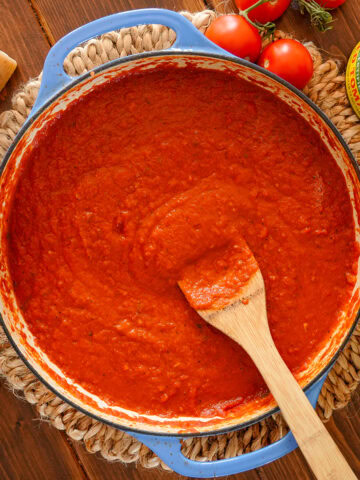
- San Marzano Tomato Sauce
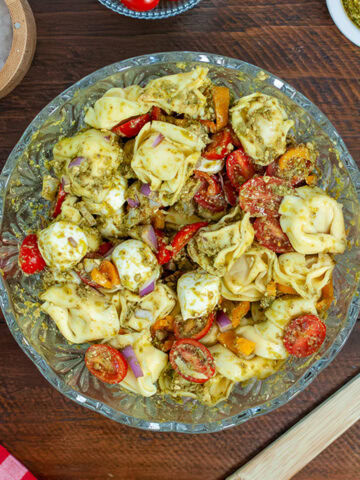
- Easy Pesto Tortellini Pasta Salad
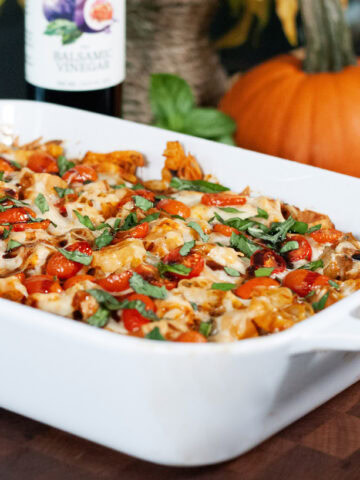
- Chicken and Pasta Alfredo Bake
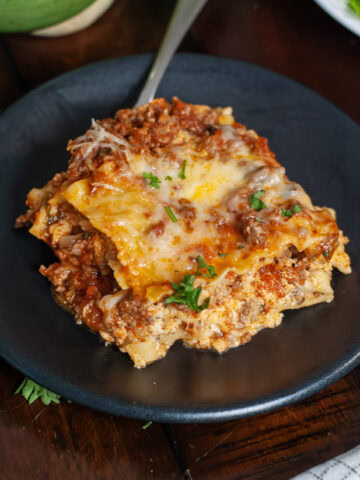
- Easy Lasagna Recipe with Cottage Cheese

What to Serve with Fresh Basil Pesto
Serving with Pastas and Grains
I feel it's best to toss the pesto in pastas with textures or pockets that will 'capture' the sauce. We love using farfalle (bowties), penne, fusilli (spiral), and conchigliette (shells). Tossing the sauce with long noodles and gnocchi works well, too! Let me know which ones you found work best for you in the reviews below!
Serving with Proteins
Top your grilled chicken, steak, or fish with a big spoonful of garlicky pesto! It will elevate your protein toa new level of freshness. It's also great drizzled over shrimp, Steak and Chicken Skewers, scooped onto eggs or a frittata, and even in a panini with turkey and fresh mozzarella. The possibilities are endless!
Serving as an Appetizer
Spread your pesto over crostini or bruschetta, as a dip with pita chips, or add it to a traditional hummus and serve with vegetables for dipping! It makes a great chilled summer snack.

Frequently Asked Questions
Yes! You can freeze any kind of pesto. I like to make bigger batches and only keep about ⅓ of a cup in the fridge at a time, so it doesn't go bad. Then, I'll pull more out of the freezer as needed.
You may have over-chopped it in the blender. By lightly pulsing your basil, you can avoid this. Basil will naturally brown over time and is best used within 3 days. To ensure freshness, pour a thin layer of olive oil on top of the pesto when storing it in the fridge for later use.
Video of Recipe
Recipe

Fresh Basil Pesto

Equipment
- Food Processor or Blender
- Cheese Grater
Ingredients
- 4 Cups Basil Leaves tightly packed
- 1¼ Cups Extra Virgin Olive Oil
- ½ Cup Pine Nuts toasting is optional
- 1½ teaspoon Salt add more to taste
- 1 teaspoon Black Pepper
- ⅓ Cup Parmesan Cheese finely grated
- 3 Cloves Garlic minced
Instructions
- Optional: Toast pine nuts over low heat for 3-4 minute in a skillet. Stir them around every minute so they don't burn. You're looking for a golden brown color. Set them aside to cool.
- Wash your basil and pat dry with paper towels. Pluck basil leaves away from the stems. If you have enough to be picky with, use the smaller leaves for a sweeter taste and toss any leaves that have spots/browning.
- Once pine nuts are cool, pulse them in a food processor or blender until coarse.
- Add in garlic cloves and 1 teaspoon of salt and pulse until it's the consistency of a course sea salt.
- Add in basil leaves and remaining salt and pulse. Be sure not to overstuff the food processor. Once basil is chopped, add in pepper and pulse a couple more times.
- With the food processor running, drizzle in olive oil until you have the consistency you like. Then, add in parmesan cheese and pulse to incorporate. Serve with pastas, pizza, crostini or on sandwiches and wraps!


Comments
No Comments